

WooCommerce Review (2026): Is It the Right Ecommerce Platform for Your Online Store?
Looking to start an online store in 2026? Our WooCommerce review covers features, pricing, dropshipping support, pros & cons, and who it’s best for — from solo entrepreneurs to growing ecommerce brands.
REVIEW
2/25/20263 min read
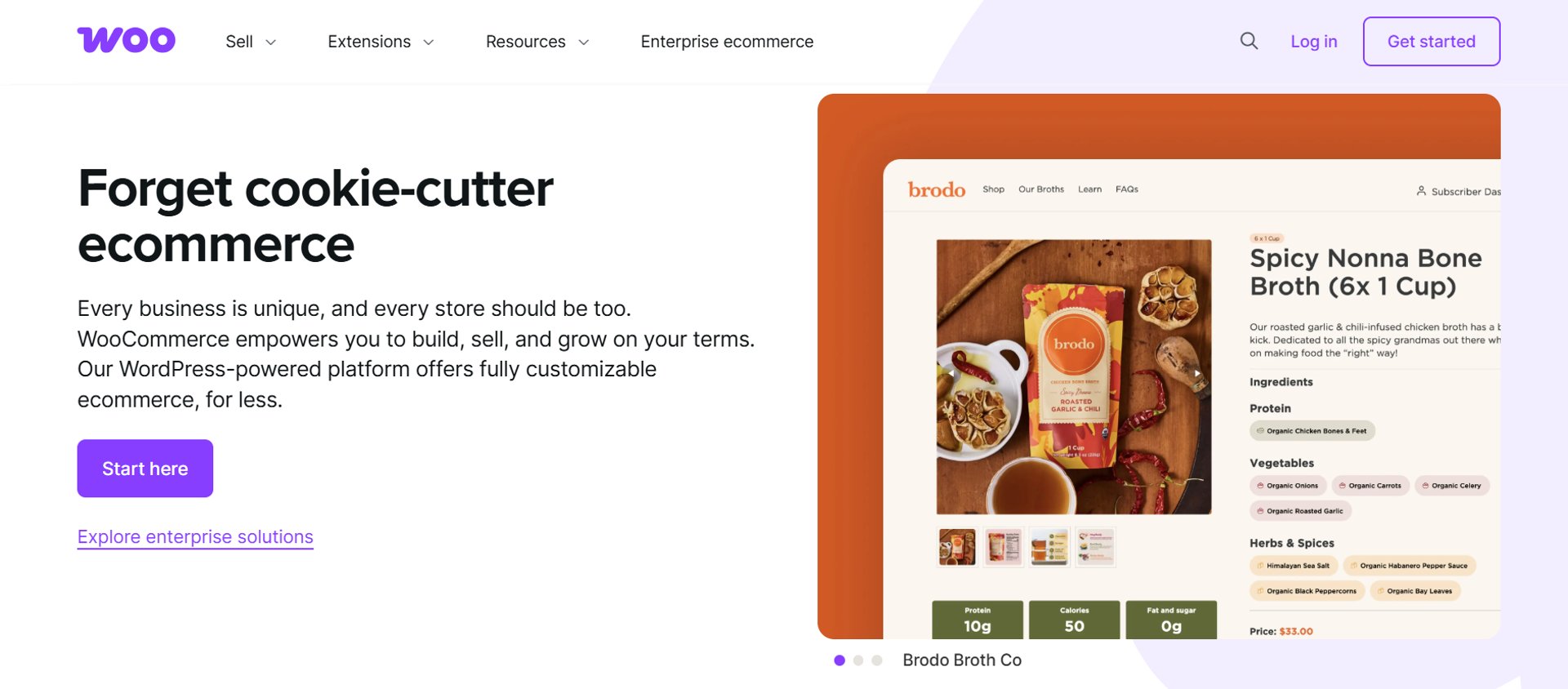
WooCommerce is the world’s most popular ecommerce solution for WordPress, powering millions of online stores and small business sites. It transforms your WordPress website into a fully functional online shop complete with products, shopping cart, payments, inventory, and store management.
WooCommerce is one of the most popular eCommerce solutions for WordPress, valued for its flexibility and deep customization options. Across G2 and Capterra, users consistently praise its scalability, extensive plugin ecosystem, and strong value for growing online stores. It’s a powerful choice for entrepreneurs, small businesses, and established brands selling online in 2026.
Continue reading WooCommerce review, plus helpful comparisons with other leading ecommerce solutions.
WooCommerce isn’t a standalone hosted platform it’s a free plugin for WordPress that adds ecommerce functionality to your site. Once installed, you can build and manage an online store using WordPress’s flexible system.
Its core features include:
Product catalog and variations
Shopping cart and checkout
Payment processing (PayPal, Stripe, etc.)
Shipping rules and tax tools
Order and customer management
With the right hosting and plugins, WooCommerce can power anything from small boutique stores to complex ecommerce brands.
WooCommerce: What It Is and How It Works
Ecommerce Features & Capabilities
WooCommerce is highly flexible you can use it to build:
Simple product shops
Digital downloads & subscriptions
Membership stores
Customized product builders
Multi‑vendor marketplaces (with extensions)
Its strength lies in being modular you choose the features you want.
Here’s what it handles well:
🛒 Built‑In Store Essentials
Unlimited products
Variable product options
Inventory control
Coupons and discount systems
Order notifications and email receipts
Tax and shipping settings
Plus, WooCommerce integrates with major payment gateways like PayPal, Stripe, and more through extensions.
WooCommerce for Dropshipping
WooCommerce has a rich ecosystem of dropshipping plugins and integrations, making it a very capable platform for dropshippers who want flexibility and control.
Popular dropshipping extensions include:
AliDropship — auto imports from AliExpress
Spocket — US/EU focus
Printful / Printify — print‑on‑demand
Syncee — global supplier sync
Dropified / Wholesale2B integrations
With these tools, you can:
✔ Import products automatically
✔ Sync inventory and prices
✔ Automate order fulfillment
✔ Manage suppliers from your dashboard
This makes WooCommerce one of the most flexible dropshipping solutions available especially if you want full control and customization. It’s more technical than plug‑and‑play platforms like Shopify, but far more customizable.
WooCommerce for Solo Entrepreneurs & Small Businesses
This is where WooCommerce’s power shines: it scales with you.
If you’re:
A solo entrepreneur launching your first store
A creative or niche brand selling custom products
A service‑plus‑product business
Building around content and ecommerce
WooCommerce gives you:
✔ Design flexibility via page builders (Elementor, Divi, etc.)
✔ SEO control
✔ Custom product types
✔ Tight integration with WordPress content and marketing tools
This makes WooCommerce ideal for store owners who want full control without platform lock‑in.
The catch? There’s a learning curve and how well your store performs depends on your hosting quality, site configuration, and plugins.
Pros and Cons of Using WooCommerce
Pros:
Unlimited customization and control
Massive ecosystem of plugins and integrations
Strong SEO and content‑commerce synergy
Great for dropshipping with ecosystem support
Scalable from micro shops to large catalogs
Cons:
Requires hosting and WordPress setup
Learning curve higher than hosted platforms
Costs can stack with add‑ons and extensions
Performance depends on hosting and optimization
Who WooCommerce is Best For
✔ Solo entrepreneurs wanting total freedom
✔ Ecommerce shops with unique requirements
✔ Dropshippers who want deep control
✔ Content‑centric brands and blogs that sell products
✔ Businesses that want to avoid platform lock‑in
Who Should Consider Altenatives
❌ Absolute beginners who want everything included without setup
❌ Users who dislike the technical side of self‑hosting
❌ Shops that need out‑of‑the‑box automation without plugins
❌ Brands that want commerce plus retail POS baked in
Is WooCommerce Worth It in 2026?
Yes, if you want flexibility, control, and long‑term scalability.
WooCommerce remains one of the most powerful ecommerce solutions in 2026, especially for businesses that value customization and ownership. With deep dropshipping support and WordPress integration, it’s ideal for serious store builders and entrepreneurs who aren’t afraid to learn a bit of setup.
It’s not the easiest launch platform, and it requires more involvement than hosted solutions but for many businesses, that control is exactly what they need.
In short: WooCommerce is worth it in 2026 for anyone who wants a flexible, scalable ecommerce foundation that grows with their business.
Visit www.woocommerce.com
Found this useful? Drop a review or share your suggestions here, we’d love to hear from you. !!
Want to see how Woocommerce stacks up against other options? Check out our Top 5 Best Ecommerce Platforms and Top 10 Website Builders for Beginners in 2026 to compare features, pricing, and usability before making a decision.
Start with WooCommerce Today — pair it with reliable hosting and choose the extensions that match your store goals.
Latest Reviews
Subscribe to our newsletter
You can unsubscribe anytime
Contact
© 2025. All rights reserved.