

Best Ecommerce Website Builders in 2026: Top 5 Platforms to Start Your Online Store (Beginner-Friendly + Powerful)
Whether you’re launching a small side hustle or a growing online brand, here’s your ultimate guide to the best eCommerce platforms in 2026. We have reviewed and listed top 4 alternatives of Shopify.
1/13/202614 min read
Starting an online store should be exciting not confusing. Whether you’re a complete beginner or planning to scale your business, choosing the right eCommerce platform is essential in 2026.
The good news? There are powerful, easy-to-use builders that let you launch your store quickly without coding, design skills, or a big budget.
In this article, we’ll break down the 5 best eCommerce platforms from the all-time favorite Shopify to fan-favorite alternatives like WooCommerce, BigCommerce, Wix, and Squarespace, so you can pick what fits your business best.
Here's What It Is to Look For in an Ecommerce Platform
Before we dive into the tools, here’s what beginners should consider:
Ease of Use: Drag-and-drop editors, templates, no code needed
Ecommerce Features: Product management, inventory, payments, shipping, discounts
Scalability: Can your store grow as your business grows?
Support & Resources: Tutorials, community, customer service
SEO & Marketing: Built-in tools help you get traffic, email campaigns.
With those criteria in mind, here are the top 5 options you should consider in 2026!


Shopify is one of the most powerful eCommerce platforms designed specifically for online selling. 9.5M+ Stores are built with Shopify and 6.8M+ Shopify Stores are currently Live. It acts as a central hub where you can manage products, track orders, monitor sales, and handle customers all from one easy dashboard. Instead of using multiple tools to run your business, Shopify keeps everything organized in one place, which makes running an online store much simpler.
One of the biggest reasons Shopify stands out in ecommerce is its ability to sell across multiple channels. You can connect your store to platforms like WordPress and Wix, and also sell directly on social media channels such as Facebook and Instagram. This means you’re not limited to just one website you can reach customers wherever they shop while still managing everything from Shopify.
Shopify also includes its own website builder, so you can create a standalone online store without needing coding skills. It offers flexible customization, ready-made design sections, and a massive app marketplace with thousands of tools for marketing, automation, inventory, and customer management. With advanced ecommerce features like abandoned cart recovery, detailed reports, customer profiles, and real-time shipping calculations, Shopify gives you everything needed to launch, manage, and scale a serious online business.
#1 Shopify:
Most popular and best for small business and large business.
Key Ecommerce Features:
Shopify is built specifically for ecommerce, so its features focus on helping you sell more and manage your business smoothly.
Product & Inventory Management: You can easily add products, organize collections, track stock levels, and manage product variations like size, color, or style. This keeps your store professional and prevents overselling.
Multi-Channel Selling: Shopify allows you to sell on your website, social media platforms, and other online marketplaces all while controlling everything from a single dashboard. This makes it easier to reach more customers without extra work.
Abandoned Cart Recovery: If a customer leaves without completing their purchase, Shopify automatically sends reminders to bring them back. This helps recover lost sales and increase revenue.
Detailed Sales Reports & Analytics: You can track revenue, best-selling products, customer behavior, and overall store performance. These insights help you make smarter business decisions.
Customer Profiles: Shopify stores customer information and purchase history so you can personalize marketing and build stronger relationships.
Real-Time Shipping Calculations: Accurate shipping costs are calculated at checkout, giving customers transparency and reducing cart abandonment.
Built-In Payments & Secure Checkout: Shopify supports multiple payment gateways and provides secure transactions to protect both you and your customers.
App Marketplace for Extra Features: Through Shopify’s large app store, you can add marketing tools, email automation, dropshipping integrations, advanced analytics, and more as your business grows.
AI Tools for Ecommerce & SEO: Shopify includes AI-powered features to help generate product descriptions, improve SEO, and optimize your store content.
850+ Store Templates: Choose from hundreds of professionally designed templates made specifically for online stores. These templates are mobile-friendly and easy to customize.
Single Dashboard Management: Everything - products, customers, payments, shipping, and reports is managed from one simple dashboard.
These features make Shopify more than just a website builder, it’s a complete Ecommerce system.
Cons:
Less design flexibility than other builders
Not ideal for non-eCommerce sites
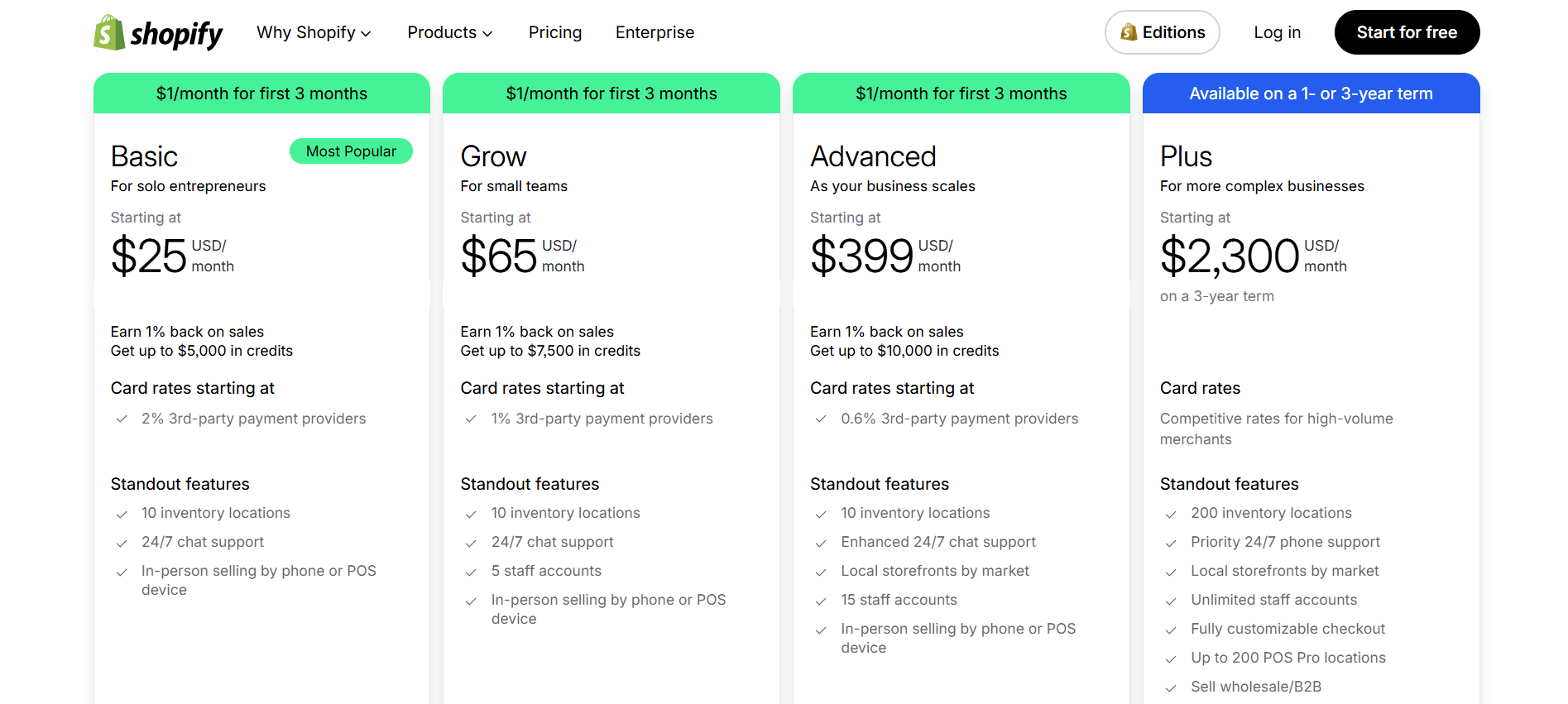
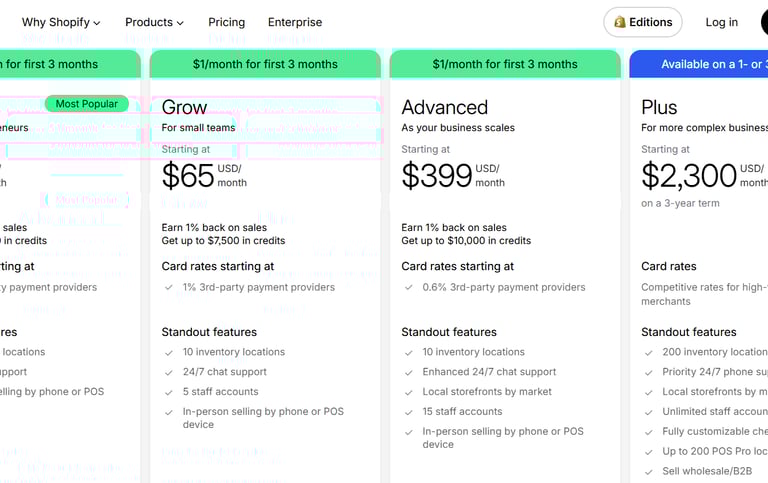
Shopify Pricing – Is It Worth It?
Shopify is not the cheapest platform, but it delivers strong value for serious Ecommerce businesses. You pay a monthly subscription, and pricing increases as you need more advanced features. While this might seem expensive compared to some beginners’ platforms, the tools included can help you generate more sales and manage growth efficiently.
The reason many business owners still choose Shopify even at a higher price is because it’s reliable, scalable, and packed with revenue-driving features. Instead of paying for many separate tools, Shopify combines them into one powerful platform.
In ecommerce, investing in the right system often saves money long-term by preventing technical issues, limited growth, or constant platform switching.
4.8
View full Price Plan with Features >


Best for: Beginners to growing online brands
Ideal for: New sellers, dropshippers, and growth-focused businesses.
👉 Try Shopify 3-Day Trial for free: Visit shopify.com
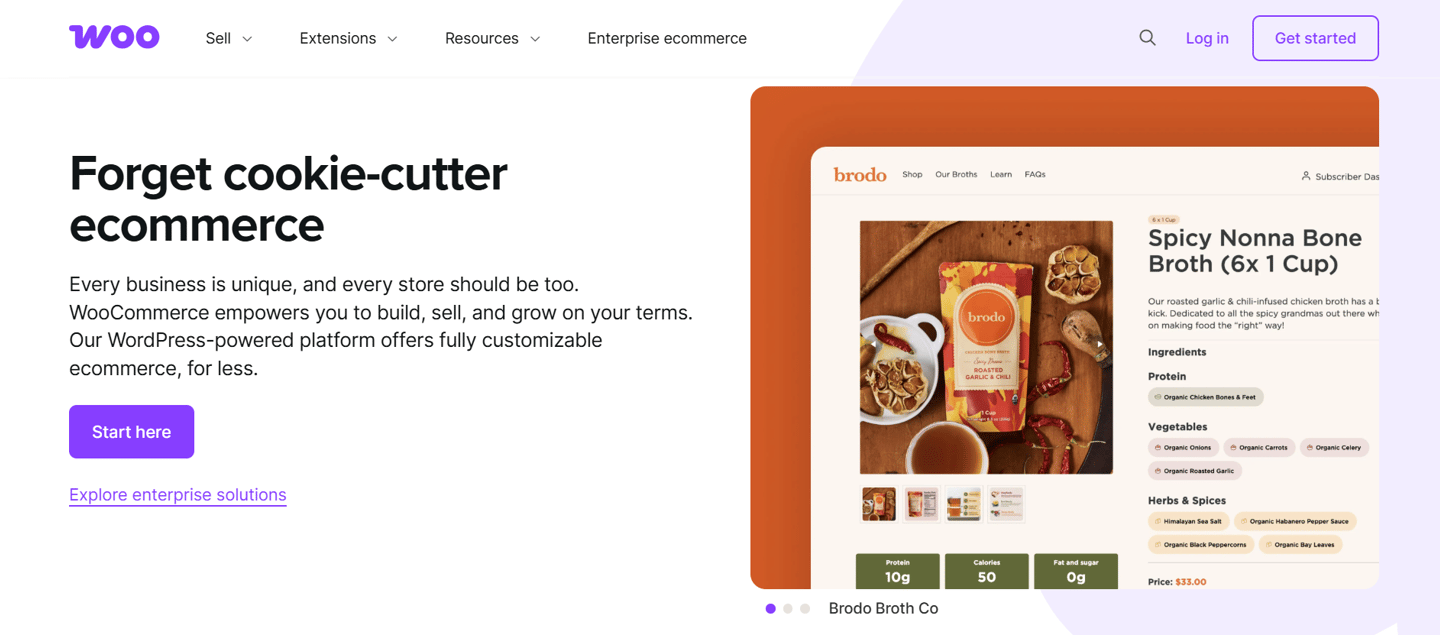
WooCommerce is a powerful eCommerce plugin built specifically for WordPress. 4M+ online stores built with woocomerce. Unlike Shopify, it’s not a standalone platform it turns your existing WordPress website into a fully functional online store. Because it runs on WordPress, WooCommerce gives you complete control over your website, design, and features, making it one of the most flexible eCommerce solutions available.
One of WooCommerce’s biggest strengths is customization. You can sell physical products, digital downloads, subscriptions, bookings, or even memberships. With thousands of themes and plugins available, you can expand your store’s functionality almost without limits. This makes WooCommerce ideal for businesses that want full ownership and long-term scalability.
However, WooCommerce requires more setup compared to hosted platforms like Shopify. You’ll need separate hosting, a domain name, and possibly premium extensions depending on your needs. It also gives you greater freedom, making WooCommerce a strong choice for users who want control and flexibility over convenience.
#2 : WooCommerce
Build and scale your online store with full ownership.
Key Ecommerce Features:
WooCommerce is an eCommerce-focused platform that runs on WordPress, enabling users to build, customize, and scale online stores with full control.
Full WordPress Integration: WooCommerce works directly within WordPress, giving you access to powerful content management, blogging tools, and SEO control.
Unlimited Products: You can add unlimited physical or digital products with variations such as size, color, or style.
Extensive Plugin Ecosystem: Thousands of extensions are available for payments, shipping, subscriptions, bookings, marketing, and more.
Flexible Payment Getaways: Supports PayPal, Stripe, Apple Pay, bank transfers, credit cards, and many other payment providers worldwide.
Advanced Shipping Options: Create shipping zones, flat rates, real-time carrier rates, and free shipping rules.
Complete Design Control: Choose from thousands of WordPress themes or fully customize your store’s design.
SEO Friendly: Because it runs on WordPress, WooCommerce is highly optimized for search engines.
Multichannel Selling: WooCommerce integrates with major marketplaces like Amazon and Etsy, social platforms such as Meta (Facebook/Instagram) and TikTok, and POS systems like Square. Through Jetpack integrations and extensions, managing sales across multiple channels becomes much smoother.
AI Store Setup Assistance: Woo AI helps speed up the store creation process by generating store names, product categories, basic product descriptions, and even drafting homepage content. This reduces setup time for beginners.
No Platform Limits: You own your store and data completely, no restrictions from a hosted platform.
Cons:
Slight learning curve higher than Shopify
WooCommerce Pricing
WooCommerce itself is free to install. However, you’ll need to pay for hosting, a domain name, and possibly premium themes or extensions. Costs can vary widely depending on your setup from very affordable for small stores to higher for advanced functionality.
The advantage is flexibility: you only pay for what you need. Unlike fixed monthly plans, WooCommerce allows you to build your store at your own pace. For users who want full control and long-term scalability, it can be a very cost-effective solution.
Best for: WordPress users, those who want full control and long-term flexibility.
Ideal for: Bloggers, content creators, growing brands already using WordPress who want to turn their website into a fully customizable online store.
4.7


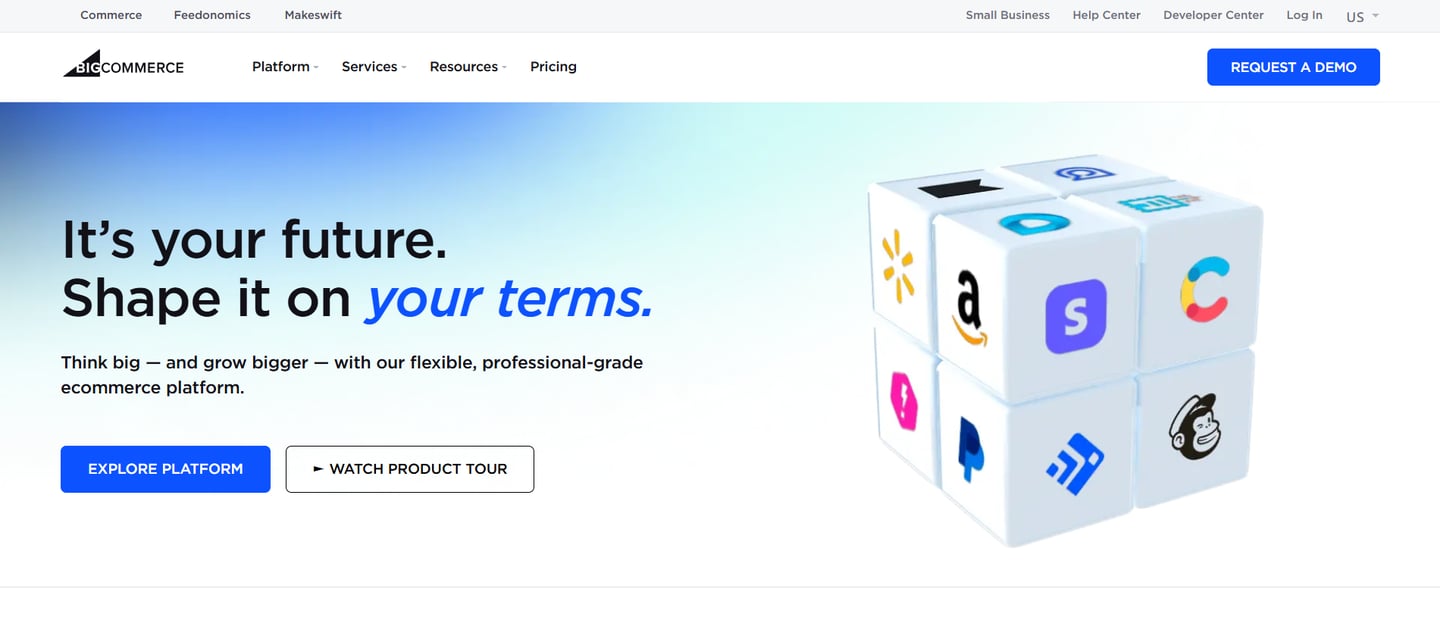
BigCommerce is a powerful eCommerce platform built for serious online selling. Unlike plugins or add-ons, it’s a fully hosted solution designed specifically for businesses that want advanced selling tools from day one. It focuses heavily on scalability, multi-channel commerce, and enterprise-level features, making it especially attractive to growing brands and larger businesses.
What makes BigCommerce stand out in the eCommerce world is its built-in functionality. Many features that require paid apps on other platforms are already included. From advanced product management and flexible pricing rules to professional reporting and international selling tools, BigCommerce is structured to support businesses that are thinking long-term.
BigCommerce is also known for its strong SEO capabilities and flexible API integrations. It supports multi-storefront setups, B2B features, and complex catalogs, which makes it particularly relevant for businesses managing large inventories or selling across multiple regions. While beginners can use it, it’s especially powerful for scaling brands that need performance, structure, and advanced control.
#3 BigCommerce:
Enterprise-grade eCommerce built for scaling brands.
Key Ecommerce Features:
BigCommerce focuses on performance, scalability, and built-in functionality. Below are the key features that make it a strong player in the eCommerce space.
Fully Featured Online Store: Includes everything needed to run a professional online store without relying heavily on third-party apps.
No Additional Transaction Fees (0%): BigCommerce does not charge extra transaction fees on any plan — you only pay standard payment processor fees.
Multi-Currency Support: Display, transact, and settle in multiple currencies, making it ideal for international businesses.
Advanced Pricing Controls: Use price lists, customer-specific pricing, and bulk pricing rules for B2B or wholesale operations.
Built-In Page Builder: Create and customize store pages using a visual page builder without coding.
24/7 Technical Support: Access round-the-clock support for technical issues and store management.
Unlimited Staff Accounts: Add unlimited team members to manage products, orders, and operations.
Multi-Channel Selling: Sell across Amazon, eBay, social platforms, and POS systems from one central dashboard.
Promotions & Discounts: Create coupons, automatic discounts, and gift cards to increase conversions
Real-Time Shipping Quotes: Offer accurate carrier-calculated shipping rates at checkout.
Customizable Checkout & Headless Capabilities: Fully brand your checkout experience with support for advanced APIs and headless integrations.
Multi-Storefront & App Marketplace: Fully brand your checkout experience with support for advanced APIs and headless integrations.
Security & Reliability: Sitewide HTTPS, dedicated SSL, optional Extended Validation SSL, and enterprise-grade infrastructure.
Conversion Tools: Built-in abandoned cart recovery, customer groups, and segmentation for targeted promotions.
Advanced Search & Scalability: Faceted search, custom filters, unlimited API calls, and enterprise services for large-scale businesses.
These features make Shopify more than just a website builder, it’s a complete Ecommerce system.
Cons:
Slight learning curve higher than Shopify
BigCommerce Pricing
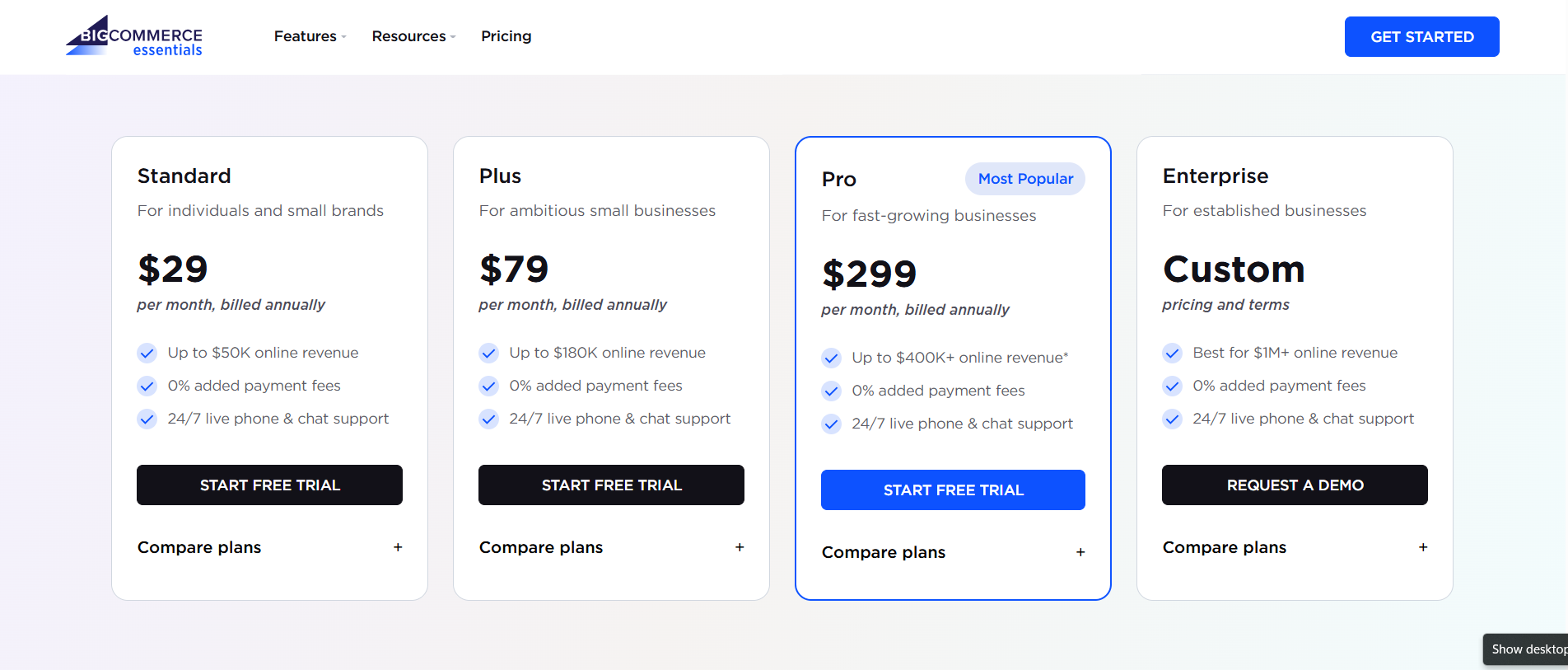
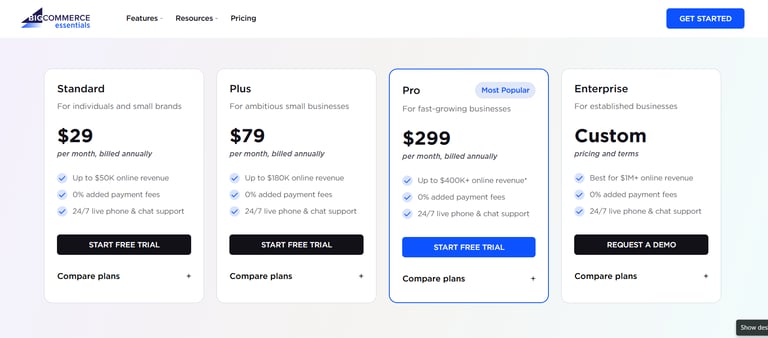
BigCommerce offers tiered monthly pricing based on your store’s annual revenue. Plans typically start around mid-range pricing compared to Shopify, but include more built-in advanced features. As your sales grow, you may be required to move to a higher-tier plan.
While it may feel more structured than some beginner platforms, BigCommerce delivers strong value for businesses that want built-in power without relying heavily on third-party apps.
4.7


Best for: Growing brands and mid-to-large eCommerce businesses.
Ideal for: Businesses that need advanced features, multi-channel selling, and long-term scalability.
👉 Try BigCommerce 15-Day Trial for free: Visit bigcommerce.com
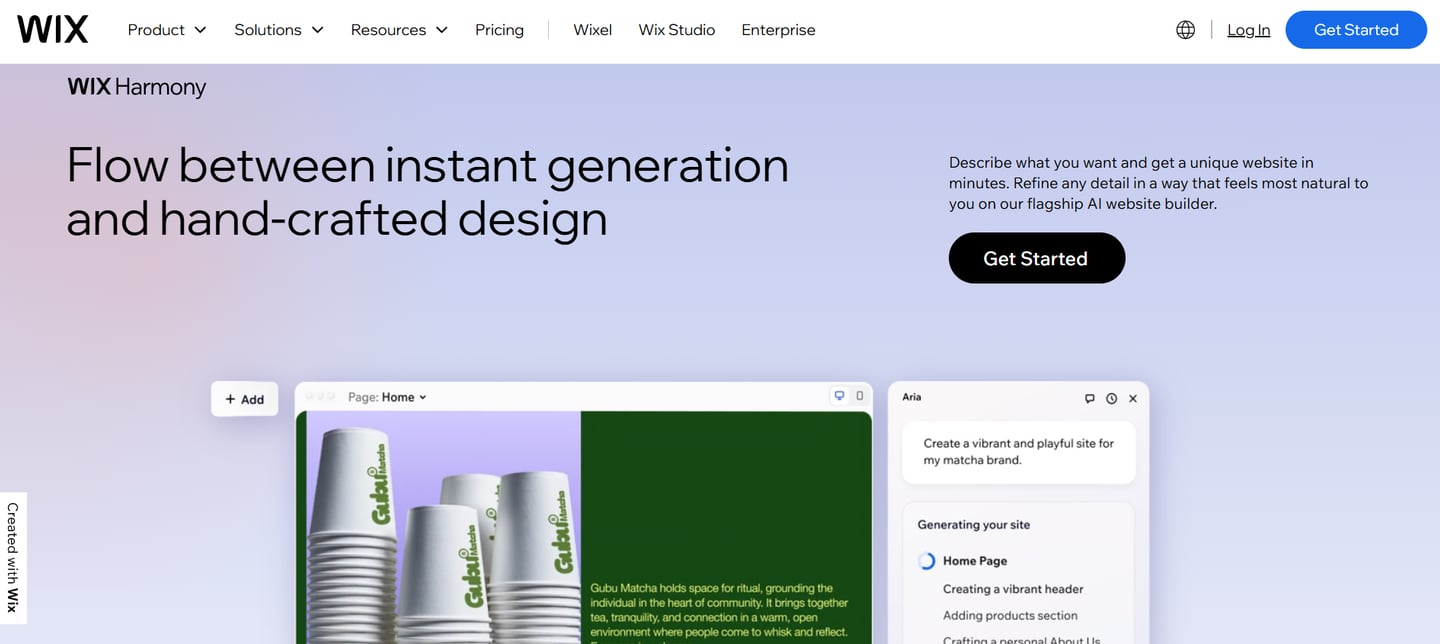
Wix is one of the most popular website builders globally, and in the eCommerce space, it stands out for combining design freedom with easy online selling. Wix hosts approximately 8.5 to 8.7 million live websites globally. It’s especially appealing to beginners and creative entrepreneurs who want to launch an online store without technical complexity. With its drag-and-drop editor, you can design your store exactly how you want while still having access to built-in eCommerce tools.
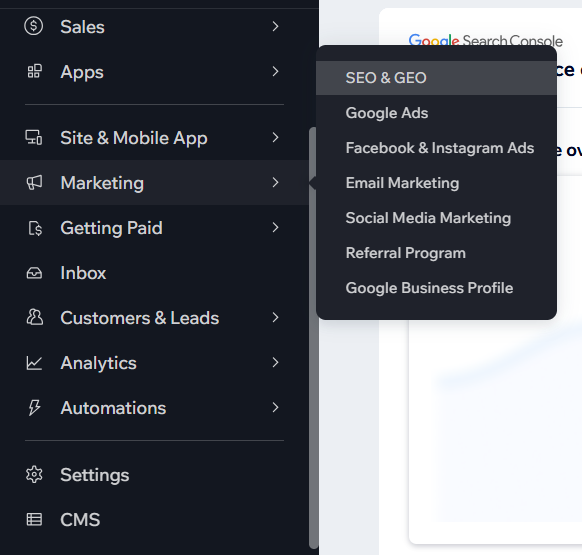
Wix offers product management, secure payments, shipping options, abandoned cart recovery, and multi-channel selling features, making it a complete solution for small to mid-sized online stores. Its Wix Studio interface is intuitive and polished, allowing even first-time users to create professional-looking stores. The platform also includes a large library of templates many of which are optimized for online selling and fully mobile responsive.
Where Wix truly stands out is in creative flexibility. It gives you more visual control than many traditional eCommerce platforms, making it ideal for branded stores, portfolio-based shops, or visually driven businesses. However, once you choose a template, you can’t switch it later without rebuilding your site, which may be limiting for some users.
#4 WIX:
Creative control combined with built-in eCommerce tools.
Key Ecommerce Features:
Beginner-friendly eCommerce with powerful design freedom.
Drag-and-Drop Website Builder: Very easy to use with no coding required, making it ideal for beginners launching an online store.
2,500+ Designer-Made Templates: Large library of fully customizable, mobile-responsive templates, including many built for eCommerce.
Built-In SEO & Marketing Tools: Integrated SEO settings, email marketing, and promotional tools to help improve Google rankings and drive sales.
Product and Inventory Management: Easily manage products, stock levels, variants, and collections from one dashboard.
Secure Online Payments: Accept multiple payment methods with built-in secure checkout.
Multi-channel selling: Sell directly on your website, Facebook, Instagram, and other platforms while managing everything from one dashboard.
Abandoned Cart Recovery: Automatically send reminders to customers who leave without completing their purchase.
Shipping and Tax Management: Set custom shipping rates, offer real-time shipping calculations, and automate tax rules.
Promotions & Discounts: Create promotional campaigns to increase conversions and customer loyalty.
AI-Content Creator and access: AI-powered tools help generate product descriptions, website copy, and design suggestions.
Mobile App Management: Manage your store, orders, and customers directly from the Wix mobile app
Customizable Storefront: Fully design your product pages and checkout layout to match your brand.
Cons:
Free plan shows wix branding
Wix Pricing
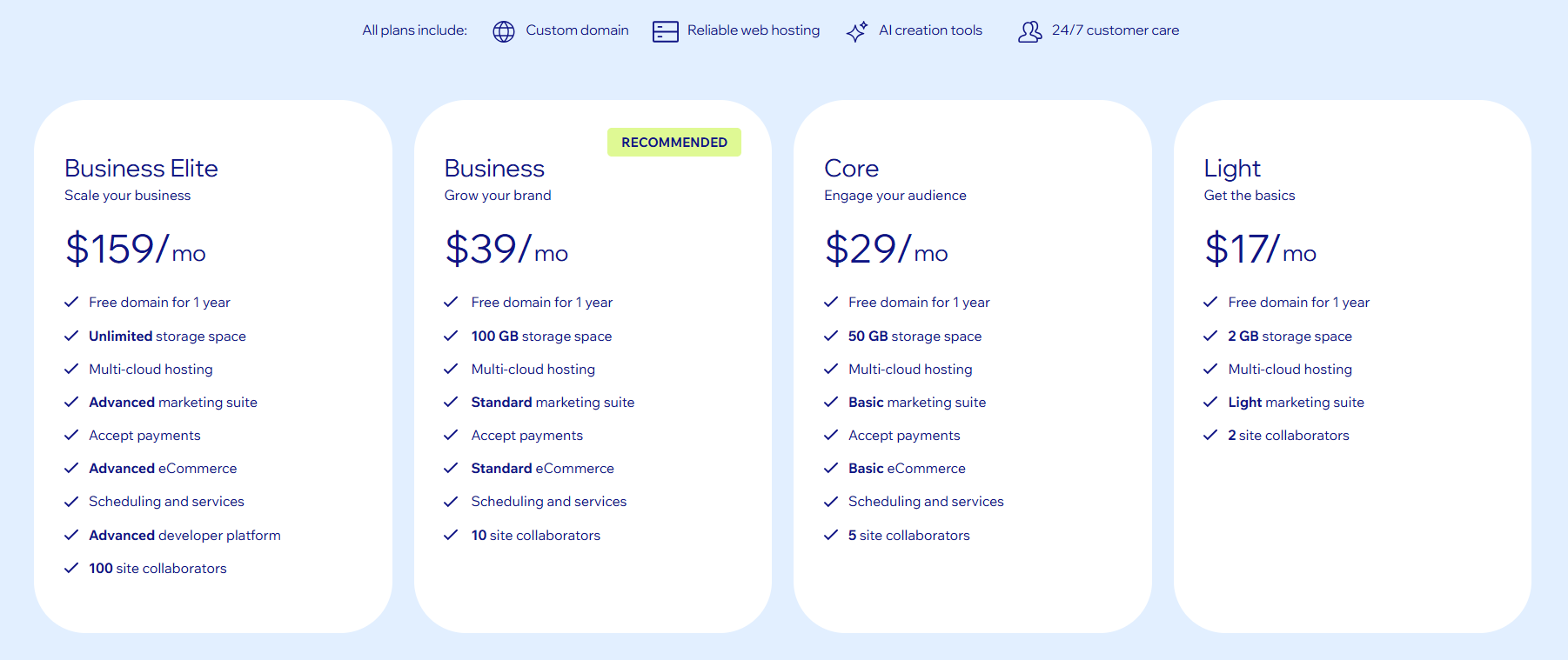
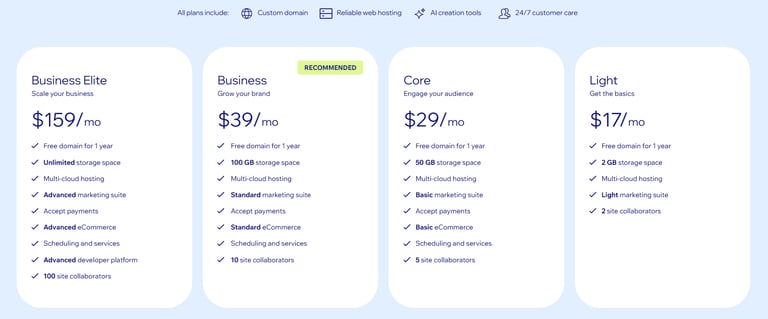
Wix offers a range of pricing plans, including a free forever plan that lets you build and test your site. Its paid eCommerce plans start at affordable monthly rates, giving you access to online store tools, secure checkout, and business features.
It delivers strong value for users who want a beginner-friendly experience with powerful design flexibility. The built-in website builder, extensive template library, and marketing tools mean you get a lot without relying on extra apps or extensions.
For merchants focused on ease of use, strong visual control, and all-in-one functionality, Wix’s pricing is worthwhile especially if design flexibility and simplicity matter more than enterprise-level selling tools.
4.7




Best for: Design-focused online sellers who want simplicity.
Ideal for: Small to mid-sized stores, creatives, and first-time eCommerce business owners.
👉 Try Wix for free: Visit wix.com


Squarespace is known for its elegant, design-focused templates and clean layouts, making it one of the most visually refined platforms in eCommerce. Squarespace powers approximately 3 to 4 million live websites as of early 2026. Squarespace is a general website builder with e-commerce capabilities. Its modern, mobile-responsive designs are ideal for brands that care about aesthetics, such as fashion, beauty, art, and creative businesses. The block-based editor allows you to adjust full layouts while still fine-tuning specific elements, helping you create a professional store without design experience.
For faster setup, Squarespace offers Blueprint AI, which generates a complete website based on your business type and preferences. This allows users to launch a stylish and functional online store quickly, without sacrificing quality. Combined with its intuitive interface and award-winning 24/7 customer support, Squarespace remains beginner-friendly while still feeling premium.
Beyond design, Squarespace includes built-in eCommerce features such as product management, secure checkout, subscriptions, marketing tools, and branding controls. While it doesn’t offer a free plan, the 14-day trial and reasonably priced entry plans make it a strong choice for entrepreneurs who want a polished, all-in-one eCommerce solution.
#5 Squarespace:
Budget-friendly eCommerce with essential features.
Key Ecommerce Features:
BigCommerce focuses on performance, scalability, and built-in functionality. Below are the key features that make it a strong player in the eCommerce space.
Built-In eCommerce Functionality: Sell physical products, digital downloads, subscriptions, and services directly from your website.
180+ Modern, Responsive Templates: Professionally designed templates optimized for mobile and online selling.
Simple Block Editor: Easy-to-use layout system that allows quick customization without coding.
AI Design & Content Tools: AI-powered assistance to help generate layouts, text, and content ideas.
Built-In Marketing & Social Tools: Email campaigns, social media integrations, and promotional features to grow your store.
Integrated Blogging Platform: Combine content marketing and eCommerce in one seamless system.
All-in-One Hosting Included: Secure hosting, SSL, and performance optimization included in every plan.
Free Logo Creation Tool: Create a simple brand logo directly within the platform.
Storefront & Management: Intuitive drag-and-drop block editor with product merchandising tools like labels and related products. Includes inventory management with stock alerts to prevent overselling.
Payment & Checkout: Secure checkout with support for major payment gateways like Stripe and PayPal. Includes built-in tax calculation and multi-currency support.
Product Types: Sell physical products, digital downloads, services, subscriptions, and even create member-only areas.
Marketing & SEO: Integrated email campaigns, social media tools, and built-in SEO features to improve search visibility and customer reach.
Analytics & Reporting: Detailed insights into sales performance, conversion rates, and traffic data to help optimize business decisions.
Mobile App Management: Manage orders, inventory, and customer communication directly from the Squarespace mobile app.
Transaction Fees: Commerce plans have 0% additional transaction fees (standard payment processor fees still apply).
Cons:
Limited Advanced eCommerce Features on Lower Plan
Squarespace Pricing
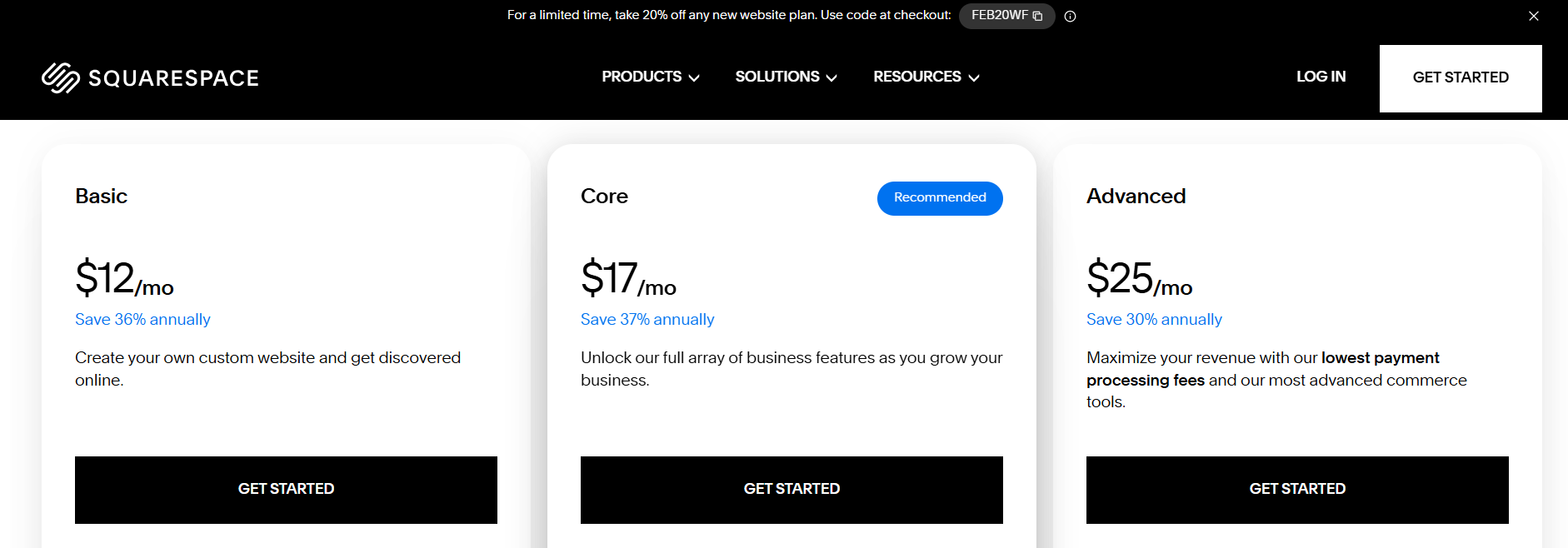
Squarespace does not offer a free plan, but it provides a 14-day free trial, allowing you to test all features before committing. If you decide to subscribe, there is also a 14-day money-back guarantee, giving you additional peace of mind.
Its pricing sits in the mid-range compared to other eCommerce platforms. While it may not be the cheapest option, Squarespace includes hosting, security, design templates, marketing tools, and built-in eCommerce features in one package — reducing the need for extra paid apps.
For businesses that value premium design, simplicity, and an all-in-one setup, Squarespace offers strong value. It’s especially worth it for brands that want a polished, professional online store without managing technical details.
4.7




Best for: Visually driven online stores that value simplicity and premium design.
Ideal for: Artists, fashion brands, service providers, and content-driven businesses combining blogging with eCommerce.
👉 Try Squarespace 14-Day Trial for free: Visit squarespace.com
Our Recommendation: Which eCommerce Platform Should You Choose?
If you want a powerful all-in-one system built purely for online selling,
👉 Choose Shopify.
Best for beginners to fast-growing brands that want a structured, scalable eCommerce platform.
If you want something super easy to use and beginner-friendly,
👉 Choose Wix.com.
It’s great for first-time sellers who want design freedom without technical complexity.
If you care about beautiful design and a premium brand look,
👉 Choose Squarespace.
Perfect for creatives, lifestyle brands, and visually driven stores.
If you want full control and flexibility inside WordPress,
👉 Choose woocomerce.com
Best for users comfortable with WordPress who want ownership and customization.
If you’re serious about scaling and need advanced built-in features,
👉 Choose BigCommerce.
Ideal for growing brands and larger stores that need enterprise-level tools.
Found this useful? Drop a review or share your suggestions here, we’d love to hear from you. !!
Latest Reviews
Subscribe to our newsletter
You can unsubscribe anytime
Contact
© 2025. All rights reserved.