

BigCommerce Review (2026): Is It the Right Ecommerce Platform for Your Online Store?
Looking for a powerful ecommerce platform in 2026? Our BigCommerce review covers features, pricing, dropshipping support, pros & cons, and who it’s best for — from solo entrepreneurs and small stores to scaling online brands.
REVIEW
3/1/20263 min read
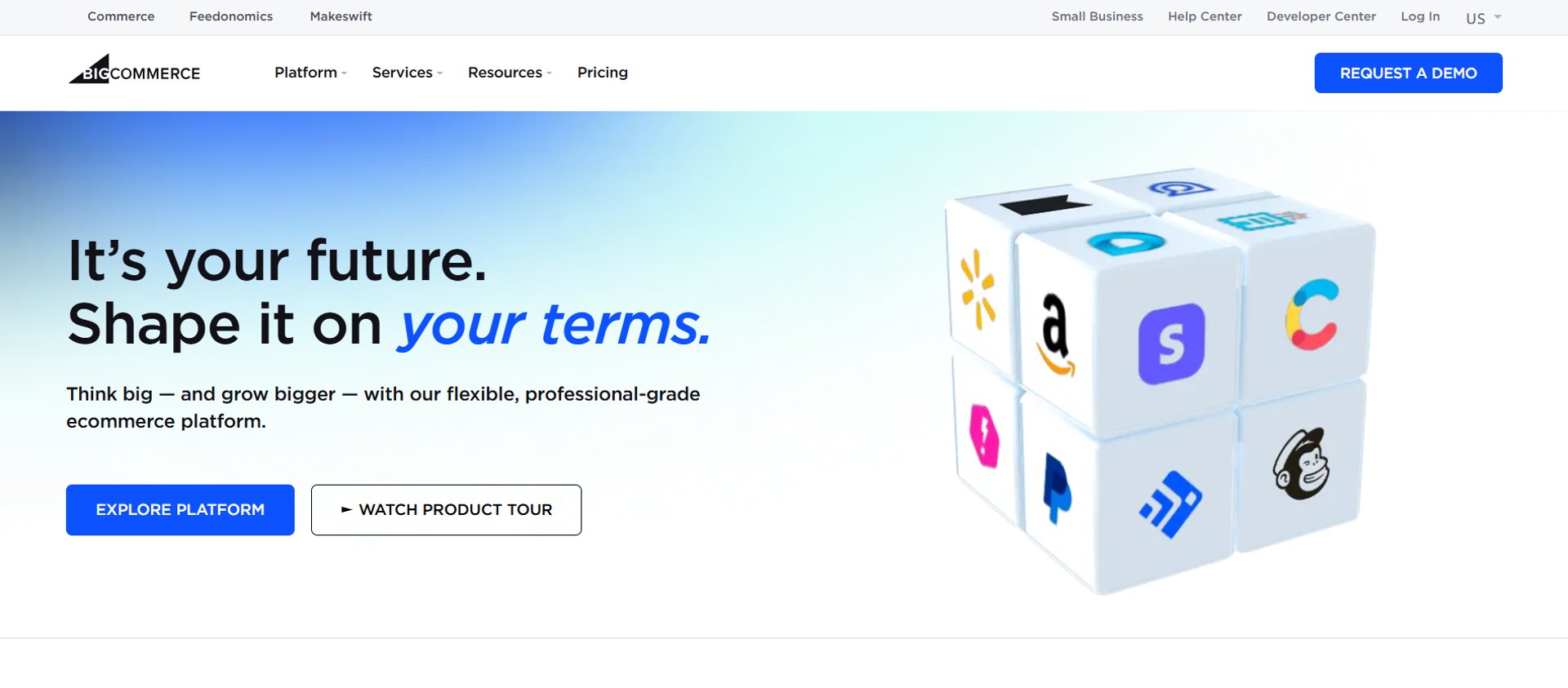
BigCommerce is one of the leading hosted ecommerce platforms in 2026 known for powering thousands of online stores without the technical headaches of self‑hosting or plugin management. BigCommerce offers a robust set of built‑in tools designed to help merchants sell online, scale with confidence, and avoid dependency on third‑party extensions for basic ecommerce functionality.
Continue reading for in-depth review, plus helpful comparisons with other leading ecommerce solutions.
WooCommerce and BigCommerce are top-rated ecommerce platforms for building online stores. WooCommerce, rated 4.4/5 on G2 and 4.5/5 on Capterra, is praised for its WordPress integration, flexibility, and plugin ecosystem. BigCommerce, rated 4.2/5 on G2 and 4.4/5 on Capterra, stands out for robust built-in ecommerce features, scalability, and strong performance for growing businesses.
Unlike DIY platforms that rely on plugins, BigCommerce offers rich ecommerce features out of the box no extensions required for most core store needs.
🛒 Built‑In Ecommerce Essentials
Unlimited products and staff accounts
Multiple payment gateway options (PayPal, Stripe, Apple Pay, etc.)
Multi‑currency checkout
Advanced tax and shipping tools
Built‑in SEO optimization
Customer groups and segmentation
Abandoned cart saver
Store analytics and reporting
This means you can launch and manage your store without hunting for add‑ons or worrying about plugin compatibility making BigCommerce a powerful choice for merchants who want serious ecommerce tools without the tech overhead.
BigCommerce Ecommerce Features & Capabilities
Performance & Scalability
BigCommerce stands out for scaling with growing stores:
Reliable performance and uptime — cloud‑hosted infrastructure designed for high traffic
No hidden hosting fees — ecommerce plans include everything you need
Unlimited bandwidth — no surprise usage charges
Strong security and PCI compliance — important for online payments
This makes BigCommerce a solid choice for stores expecting growth and variable traffic, without the fear of unexpected performance bottlenecks.
BigCommerce for Dropshipping
BigCommerce supports dropshipping via integrations with popular platforms and apps, including:
Spocket
Printful
AliExpress dropshipping tools
Syncee
Other supplier networks
These integrations allow:
✔ Product importing
✔ Inventory syncing
✔ Automated order routing
✔ Print‑on‑demand services
BigCommerce doesn’t have a built‑in “dropshipping module,” but its app ecosystem covers most mainstream suppliers and workflows. For entrepreneurs focused on dropshipping, this means more flexibility than many hosted builders that limit integrations.
BigCommerce for Solo Entrepreneurs & Small Businesses
BigCommerce isn’t just for large stores it also works well for solo founders and small brands:
Intuitive store setup
No need for hosting or security management
No plugin juggling
Simple dashboard and order management
However, because of its rich features, the learning curve can feel steeper compared to ultra‑simple builders like SITE123 or Wix. Still, for anyone serious about ecommerce (even solo sellers), BigCommerce delivers tools that grow with your business.
Pros and Cons of Using BigCommerce
Pros:
Comprehensive built‑in ecommerce tools
No transaction fees on any plan
Multi‑currency and international selling support
Excellent scalability and performance
Strong dropshipping app ecosystem
Enterprise‑ready features without plugins
Cons:
Pricing higher than basic builders
Learning curve steeper for complete beginners
May be overpowered for super‑small, simple stores
Fewer themes than some competitors
Who BigCommerce is Best For
✔ Ecommerce stores expecting growth
✔ Solo entrepreneurs who want serious ecommerce tools
✔ Brands selling internationally
✔ Dropshippers using third‑party integrations
✔ Stores needing built‑in automation and segmentation
Who Should Consider Altenatives
❌ Casual sites or blogs that need minimal commerce
❌ Businesses on a tight budget that prefer ultra‑cheap hosting
❌ Users who want the simplest, plug‑and‑play setup (e.g., Wix, Shopify Starter)
Is BigCommerce Worth It in 2026?
Yes, especially if you’re serious about selling online.
In 2026, BigCommerce stands as one of the most complete hosted ecommerce solutions you can choose. It avoids the plugin headaches of self‑hosted platforms and the feature limitations of ultra‑simple site builders. Whether you’re a solo seller ready to scale or a growing brand expanding into international markets, BigCommerce delivers value through performance, built‑in tools, and flexibility.
It isn’t the cheapest option but for many merchants, that cost is justified by the features included.
In short: BigCommerce is worth it in 2026 for anyone who wants a powerful, scalable ecommerce platform without relying on multiple add‑ons or external tools.
Visit www.bigcommerce.com
Found this useful? Drop a review or share your suggestions here, we’d love to hear from you. !!
Want to see how bigcommerce compares against other options? Check out our Top 5 Best Ecommerce Platforms for Dropshiping and 5 Best Ecommerce Website Builders for Beginners in 2026 to compare features, pricing, and usability before making a decision.
Try BigCommerce Free Trial — explore features, manage products, and experience the dashboard before you commit.
Latest Reviews
Subscribe to our newsletter
You can unsubscribe anytime
Contact
© 2025. All rights reserved.